
LGBTQ
Compassionate and Experienced LGBTQ Law Attorney Advocating for Your Rights
FAQs
Frequently Asked Questions About LGBTQ+ Legal Issues
Do same-sex couples follow the same divorce laws in South Carolina?
Yes. Same-sex couples who are legally married go through the same divorce process as any other married couple in South Carolina. This includes issues involving equitable division of property, alimony, child custody, visitation, and child support. The Family Court applies the same legal standards regardless of whether the marriage is same-sex or opposite-sex. However, family structure issues like non-biological parent rights or second-parent adoption can create additional legal complications that require careful attention.
Does a non-biological parent have custody rights?
Possibly, but legal protection depends heavily on the facts. If the non-biological parent completed a second-parent adoption or has a court order establishing parental rights, they are usually in a much stronger position. Without formal adoption, the parent may need to pursue rights through guardianship or a psychological parent claim. These cases can become highly contested, especially during separation or divorce.
What is second-parent adoption?
Second-parent adoption allows one parent to legally adopt their spouse’s or partner’s child without terminating the existing parent’s rights. This creates full legal parentage for both parents and protects custody rights, inheritance rights, medical decision-making, and school-related authority. It is one of the most important legal protections for many LGBTQ families, especially when donor conception or surrogacy is involved.
Can I get parental rights if I helped raise my partner’s child?
Possibly. South Carolina may allow you to pursue parental rights under a psychological parent theory if you have acted as a parent, provided financial and emotional support, and formed a true parent-child relationship. These cases require court review and are highly fact-specific. The longer the relationship and involvement, the stronger the potential claim may be.
How are property disputes handled if we were never married?
If you were not legally married, Family Court usually cannot divide property or award alimony the way it would in a divorce. Disputes involving jointly owned homes, businesses, bank accounts, or shared assets are often handled in Circuit Court through partition actions, contract claims, or other equitable claims. These cases require a very different legal strategy than divorce proceedings.
Can unmarried LGBTQ couples protect healthcare and inheritance rights?
Yes, but those protections usually require proper legal documents. Without marriage or formal estate planning, a surviving partner may have little legal authority in medical emergencies or after death. Wills, Healthcare Powers of Attorney, Durable Powers of Attorney, and beneficiary designations are often critical for protecting those rights.

Why Clients Choose Carrie Warner for LGBTQ Family Law Cases
LGBTQ family law cases are often far more complex than standard divorce or custody matters because the legal issues do not always fit neatly into traditional family court structures. Questions involving parental rights, non-biological parents, second-parent adoption, same-sex divorce, and unmarried partner property disputes often require deeper legal analysis and stronger courtroom strategy from the very beginning.
For some clients, the issue is protecting parental rights after separation—especially when one parent is not the biological parent but has helped raise the child for years. For others, it involves second-parent adoption, guardianship, custody disputes, or psychological parent claims where the relationship with the child must be legally protected before conflict arises.
Same-sex divorce cases can also involve complex issues surrounding property division, support, retirement accounts, custody, and financial protection, particularly when the relationship existed long before legal marriage was possible. Unmarried LGBTQ couples often face even greater challenges because Family Court may not have jurisdiction to divide jointly owned assets, real estate, or business interests, creating separate litigation issues outside of divorce.
Carrie Warner represents clients in high-conflict LGBTQ family law matters involving same-sex divorce, custody disputes, parental rights litigation, second-parent adoption, non-biological parent rights, unmarried partner asset disputes, and estate protection planning. In Columbia, many of these cases move through Richland County Family Court, while clients in nearby Lexington, Irmo, and West Columbia may also be dealing with proceedings involving Lexington County Family Court depending on the issue and where the case is filed. These are not routine cases. They require careful legal strategy, strong financial analysis, and an understanding of how South Carolina courts handle both family law and related property issues.
Legal protection also extends beyond divorce and custody. Estate planning documents, healthcare powers of attorney, durable powers of attorney, and legal planning for unmarried couples can be critical to protecting long-term rights and decision-making authority. Gender marker corrections and legal name changes may also require court intervention and careful procedural handling.
As a trial attorney with extensive family law litigation experience, Carrie approaches LGBTQ family law cases with one goal: protecting your rights, your family, and your future with a clear legal strategy that will hold up when it matters most. Whether the issue involves protecting your role as a parent, securing fair financial outcomes, or navigating highly personal legal transitions, strong representation matters.
If you are looking for an LGBTQ family law lawyer in Columbia, SC, working with counsel who understands both the legal complexity and the personal weight of these cases can make a significant difference in the outcome.
Same-Sex Divorce in South Carolina
Same-sex divorce in South Carolina follows the same family law rules as any other divorce. Since same-sex marriage is legally recognized, married LGBTQ couples have the same rights and responsibilities involving divorce, custody, child support, alimony, and property division as any other married couple. A spouse can pursue fault-based divorce grounds or no-fault divorce after living separate and apart for one continuous year.
That said, same-sex divorce often carries unique legal complications—especially when the relationship existed for many years before legal marriage was possible. Couples may have built businesses, purchased homes, raised children, and combined finances long before the marriage itself was legally recognized. That can create difficult questions involving marital property, support, and parental rights.
Child custody can become especially complex when one parent is the biological parent and the other parent never completed a second-parent adoption. Even when both parents have fully raised the child together, legal parentage can significantly affect custody, visitation, and child support rights. If both parents are recognized as legal parents, the court handles custody under the same best-interest standard used in all South Carolina custody cases. If only one parent has legal parent status, the non-biological parent may face a much harder legal fight.
Alimony and financial support follow the same rules as any other divorce. A spouse may seek permanent, rehabilitative, or lump-sum alimony depending on the length of the marriage, financial dependence, earning capacity, and the overall marital standard of living. In some LGBTQ divorces, the legal length of the marriage may appear much shorter than the actual relationship, which can create unfair financial arguments if not handled strategically.
Property division also follows South Carolina’s equitable distribution rules. Marital property includes assets acquired during the marriage, including real estate, retirement accounts, investment accounts, business interests, and marital debt. Retirement plans, pensions, and executive compensation can become major issues in high-asset cases. One challenge in same-sex divorce is that assets accumulated before legal marriage may not automatically qualify as marital property, even when the couple shared financial lives for many years before marriage equality became law.
Unmarried LGBTQ couples face an even more difficult situation because Family Court generally cannot divide jointly owned property or award alimony when no legal marriage exists. In those cases, property disputes may require separate Circuit Court litigation involving partition actions, equitable claims, or ownership disputes rather than traditional divorce proceedings.
Same-sex divorce cases are often not more emotional than other divorces—but they are frequently more legally complicated. Questions about parentage, long-term asset ownership, retirement rights, and financial fairness require careful legal strategy from the very beginning. Whether the issue involves protecting your relationship with your child, securing fair support, or preserving assets built over many years, early preparation matters.
Child Custody and Parental Rights
For many LGBTQ families, custody disputes are not only about parenting schedules—they are about whether the law fully recognizes the parent-child relationship in the first place. Questions involving birth parents, non-biological parents, second-parent adoption, and parental rights can create legal issues that are far more complex than a standard custody case.
When a child is born during a same-sex marriage, both spouses may have stronger legal protections as parents, particularly after recent court decisions involving birth certificates and parental recognition. However, legal parentage is still one of the most important issues in any custody dispute, especially when only one parent is biologically related to the child. South Carolina courts have recognized that married same-sex spouses cannot be treated differently regarding birth certificate recognition and parental status.
For non-biological parents, second-parent adoption is often the strongest legal protection available. A second-parent adoption allows a parent to legally adopt their partner’s child without terminating the biological parent’s rights. This creates full legal parental status for both parents and helps protect custody rights, visitation rights, medical decision-making authority, inheritance rights, and long-term parental stability. It remains one of the strongest ways to secure parental rights for LGBTQ families.
When a second-parent adoption was never completed, custody disputes can become significantly more difficult. A non-biological parent may still seek rights through legal theories such as psychological parent claims. This applies when a person has acted as a true parent—providing daily care, financial support, emotional stability, and a parent-child bond over time—even without formal adoption. These cases are highly fact-specific and often require strong evidence and careful litigation strategy.
Guardianship orders may also provide limited legal protection when adoption is not immediately possible. Guardianship can help with school enrollment, medical decisions, and temporary parental authority, but it does not create the same permanent legal rights as adoption. Because of that, guardianship is often helpful but not a full substitute for legal parentage.
In custody litigation, the court still applies the best interests of the child standard. If both parents are legally recognized, custody and visitation are decided the same way as in any other family law case. In both Richland County Family Court and Lexington County Family Court, cases involving disputed legal parentage often become far more complex because the court must first determine who has enforceable parental rights before deciding custody. That issue alone can significantly change the direction of the case.
These cases are especially sensitive because they are not just about legal paperwork—they are about preserving real parent-child relationships. Whether the issue involves protecting a non-biological parent’s rights, securing visitation after separation, pursuing second-parent adoption, or defending against a custody challenge, early legal strategy can make the difference between protected parental rights and years of avoidable litigation.
Adoption and Second-Parent Adoption
Adoption is one of the strongest legal tools available for protecting parental rights in LGBTQ families. For many same-sex couples, especially when only one parent is biologically related to the child, adoption provides the legal certainty that a relationship alone does not always guarantee.
Second-parent adoption is often one of the most important steps a family can take. This allows one parent to adopt their spouse’s or partner’s child without terminating the existing parent’s rights. Instead of replacing one parent, it legally protects both parents and creates equal parental standing under South Carolina law.
This matters most in situations involving donor sperm, donor embryos, surrogacy, or children born before marriage. Even when both parents have raised the child together from birth, the non-biological parent may still face serious legal risks if formal adoption was never completed. Without legal adoption, custody rights, visitation rights, inheritance rights, medical decision-making authority, and school-related rights can all become vulnerable during separation, divorce, or emergencies.
Second-parent adoption helps eliminate that uncertainty. It creates full legal parentage and places both parents on equal footing if custody issues ever arise later. This is especially important in high-conflict custody disputes where a biological parent may try to challenge the non-biological parent’s role after separation.
In some cases, adoption may also involve changing the child’s legal name or updating the birth certificate to reflect both parents. These steps help ensure that legal documents match the reality of the child’s family structure and reduce future complications involving healthcare, education, and travel.
For unmarried couples, adoption planning can be even more important because the legal protections of marriage may not apply. Guardianship orders may provide temporary authority, but they do not create the same permanent parental rights as adoption.
Adoption cases require careful preparation, proper filings, and court approval. Whether the goal is second-parent adoption, stepparent adoption, or securing parental rights after a child is already part of the family, strong legal guidance helps ensure those rights are fully protected for the long term.
Unmarried LGBTQ Couples and Property Rights
Many LGBTQ couples build long-term lives together without getting married. They may buy homes together, share bank accounts, build businesses, raise children, and make major financial decisions as a family. The legal problem is that if the relationship ends, South Carolina law does not treat unmarried couples the same way it treats married spouses.
If you are not legally married, Family Court generally does not have the authority to divide property, award alimony, or handle financial disputes the way it would in a divorce. There is no automatic right to equitable division simply because a couple lived together for many years.
This often creates major problems when unmarried partners jointly own a home, have shared business interests, contributed to major purchases, or one partner financially supported the other for years. Without clear legal agreements, separating those assets can become complicated, expensive, and highly contested.
Instead of Family Court, these disputes are often handled in Circuit Court through partition actions, contract claims, equitable claims, or ownership disputes involving real estate, business interests, repayment of money, and jointly titled assets. These cases are very different from divorce litigation and require a different legal strategy.
Real estate is one of the most common conflict areas. If both partners are listed on the deed, the issue may involve forcing sale of the property, dividing proceeds, or resolving unequal financial contributions. If only one partner is on title but both contributed financially, proving ownership interests can become much more difficult.
Retirement accounts, business ownership, inherited assets, and debt obligations can also create serious disputes depending on how finances were handled during the relationship. Unlike divorce, there is no automatic framework for dividing these assets fairly.
Estate planning also becomes critical for unmarried couples. Without proper wills, powers of attorney, healthcare directives, and beneficiary designations, a surviving partner may have little legal protection in emergencies or after death.
For many unmarried LGBTQ couples, legal planning is not just about separation—it is about protecting the life you have built together before a crisis happens. Whether the issue involves property division, estate protection, or financial disputes after separation, early legal guidance can prevent major problems later.
Gender Marker and Name Changes
Legal name changes and gender marker updates are important steps for many transgender individuals seeking documents that accurately reflect their identity. These changes can affect everything from employment records and travel documents to healthcare access and everyday legal interactions.
In South Carolina, changing a legal name or updating a gender marker on a birth certificate usually requires a court order. The process involves filing the appropriate petition and providing supporting documentation to the court.
For gender marker changes, the court typically requires an affidavit from a treating physician confirming that appropriate medical treatment has occurred and that the change is considered permanent. Additional documentation from a therapist or counselor may also be required depending on the circumstances.
Because the South Carolina Department of Public Health controls birth certificate amendments, it must usually be included in the legal process. After review and a short hearing, the court may issue an order approving the requested changes.
These cases are often straightforward when properly prepared, but mistakes in filing or missing documentation can create unnecessary delays. Careful legal guidance helps ensure the process moves efficiently and that updated records are completed correctly.
Protecting Your Family and Your Future
LGBTQ family law issues are rarely just legal paperwork. They are about protecting your relationships, your children, your finances, and your long-term security.
Whether you are going through a same-sex divorce, fighting for custody rights, protecting a non-biological parent relationship, dividing property after the end of an unmarried partnership, or securing legal recognition through adoption, the decisions made early can affect your life for years.
Many people wait too long because they assume informal agreements or long-term relationships create automatic legal protection. In many cases, they do not. Without the right court orders, adoption decrees, estate documents, or custody protections in place, important rights can become vulnerable during separation, illness, emergencies, or unexpected conflict.
These cases are often deeply personal and emotionally charged. They involve children, homes, financial security, healthcare decisions, and the people who matter most. That is why legal strategy matters. Small mistakes early can create expensive and painful problems later.
Strong legal guidance helps ensure your rights are protected before conflict escalates. Whether the issue involves divorce, custody, adoption, parental rights, property disputes, or legal identity documents, the goal is the same: creating stability and protecting the future you have built.
If you are looking for an LGBTQ family law attorney in Columbia, SC, whether your case is moving through Richland County Family Court or involves custody, adoption, or property disputes in nearby Lexington County, experienced legal representation can help protect both your legal rights and the life you have worked hard to create.
Ready to get started?
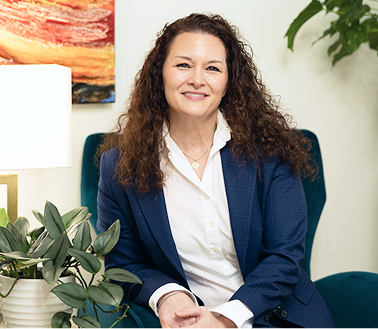
My late father, Jan Warner, was an accomplished and widely known family law attorney and nationally syndicated author in South Carolina, so this area of law runs in my blood. It is all I have ever known, and I cannot imagine doing anything else.